Intent comparison
Comic generation API vs. comic database API.
A generation API creates new pages and panels from prompts and references. A database API retrieves records about existing comics.
Choose generation for creative products, personalization, publishing drafts, and agents. Choose a database API for catalogs, readers, collections, and metadata search.
Generate a new comicAccount, API key, usage, and billing open on LlamaGen.AI.
Direct answer
The decision this page is for.
Last verified:
Choose a generation API when you need new pages and panels from prompts or references. Choose a database API when you need records about published titles, issues, creators, or publishers. ComicsAPI.com documents generation only.
Verifiable request
A generation request uses POST
curl -X POST \
  https://api.llamagen.ai/v1/comics/generations \
  -H "Authorization: Bearer $LLAMAGEN_API_KEY" \
  -H "Content-Type: application/json" \
  -d '{
  "prompt": "Create a four-panel story about a lost robot finding its maker.",
  "fixPanelNum": 4
}'
Structured response
State your application can route
{
  "id": "gen_abc123",
  "status": "PROCESSED",
  "comics": [
    {
      "page": 0,
      "panels": [
        {
          "panel": 0,
          "caption": "The robot recognizes the maker's workshop.",
          "assetUrl": "https://cdn.llamagen.ai/comics/panel-1.webp"
        }
      ]
    }
  ]
}
Output evidence
Inspect the visual result and the machine-readable state.
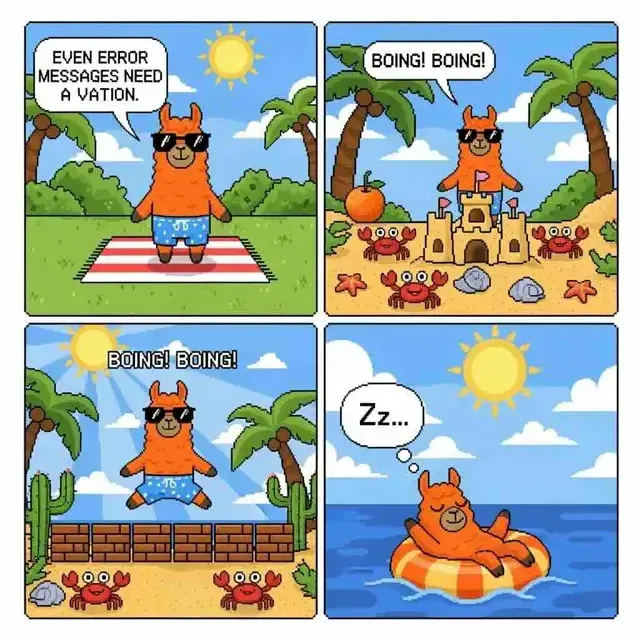
The visual is evidence of the output category. The JSON lets an application correlate the generation, render a preview, store assets, and continue the workflow.
Choose the right API category
Generation and database APIs solve different jobs.
| Decision | Generation API | Database API |
|---|---|---|
| Input | Prompt, script, image, character, or location | Title, issue ID, creator, publisher, or character name |
| Typical method | POST | GET |
| Operation | Create a new visual story | Retrieve an existing record |
| Output | Generated pages, panels, captions, and asset URLs | Catalog and publication metadata |
| Best fit | Creative tools, personalization, publishing drafts, agents | Catalogs, readers, collections, and search |
Capability and boundary facts
Facts an integration can verify.
Last verified:
- Generation input
- Prompt, script, image, character, or location
- Database input
- Title, issue ID, creator, publisher, or character name
- Generation method
- Usually POST
- Database method
- Usually GET
Good fit
Use it when
- Creating original visual stories
- Personalized comic products
- Turning scripts into reviewable drafts
Wrong fit
Do not use it for
- Looking up issue release dates
- Building a reader catalog
- Retrieving publisher or character records
Production limits
Plan for the boundaries.
- 01This site does not provide licensed comic-book catalog data.
- 02Generation does not guarantee factual metadata about published works.
- 03Generation is asynchronous; production interfaces must handle processing and failure states.
- 04Outputs should be reviewed against product, brand, safety, and print requirements before delivery.
- 05You must have the rights to prompts, photos, scripts, and reference assets submitted to the API.
Authoritative sources
Questions
Direct answers before you integrate.
01Is Comics API a ComicVine-style database?
02How do the HTTP methods differ?
03Can one product use both kinds of API?
Next step
Move from evidence to a real API request.
LlamaGen provides the playground, API key, usage, billing, and authoritative service documentation.
Generate a new comic